



SECTION A: What Is Better for Small Businesses: SEO or Paid Ads?
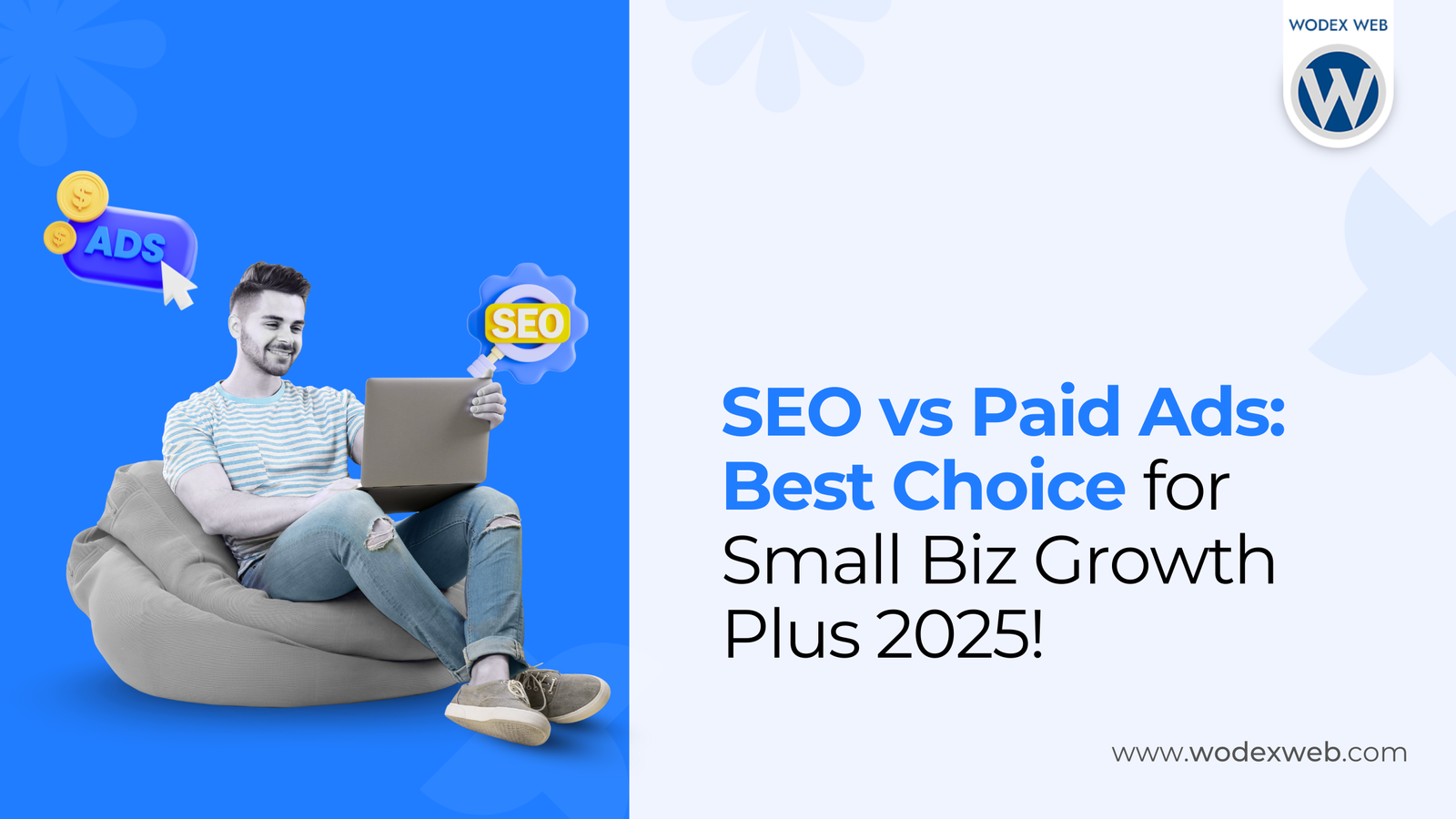
- SEO vs Paid Ads is one of the most common questions small businesses ask when they want steady visibility and real customer growth.
- Small budgets make the choice even harder. Each method works differently, and understanding both helps you pick the right direction without wasting money.
Quick Comparison Table
| Factor | SEO | Paid Ads |
| Cost | Lower long-term cost | Higher ongoing cost |
| Speed | Slow to start | Fast results |
| Visibility | Strong organic ranking | Visible only while ads run |
| Best For | Long-term growth | Quick leads or launches |
This table helps you see the core difference in one look.
Why Small Businesses Consider SEO
SEO helps a business show up naturally on search engines.
It builds trust because people prefer organic results.
Key points:
- Brings steady visitors over time
- Works well for local businesses
- Builds long-term credibility
- Needs consistent updates and patience
- SEO is ideal when you want stable growth without paying for each click.
Why Small Businesses Use Paid Ads
Paid ads help you appear instantly in front of buyers.
They are great when you want quick leads or have a new service to promote.
Key points:
- Instant traffic and visibility
- Works well for new businesses
- Easy targeting based on interest and location
- Stops when your budget ends
- Paid ads help when you need fast results but not when you want long-term savings.
When SEO Works Better
SEO fits businesses that want consistent traffic without daily spending.
Best situations:
- You want long-term visibility
- You serve local customers
- You want strong brand trust
- You aim to reduce long-term costs
- Using SEO helps your audience find you again and again.
When Paid Ads Work Better
Paid ads help when you need quick action.
Best situations:
- You are launching a new product
- You want leads immediately
- You need targeted traffic fast
- You want to test an offer quickly
- Paid ads give speed but not long-term stability.
Should You Combine Both?
Most small businesses benefit from using both together.
This balance helps you grow fast while building long-term strength.
Advantages:
- Faster lead flow
- Stronger online visibility
- Better audience understanding
- More control over results
Using both also supports the secondary keyword SEO vs PPC for small business naturally and helps guide decision-making.
SECTION B: How Long Does SEO Take Compared to Paid Ads?
SEO vs Paid Ads works on two very different timelines, and small businesses often want to know how fast they can expect results.
Understanding the speed of both helps you plan your marketing in a realistic way. Short timelines make decision-making easier, so here’s a simple breakdown.
How Fast Paid Ads Work
Paid ads start showing results almost immediately. As soon as your campaign goes live, your business appears in search results.
Why paid ads are fast:
- Your ad gets visibility the moment you pay
- You can target location, keywords, and audience
- Lead flow starts within hours
- Budget controls how often your ads show
- You can pause or adjust campaigns anytime
How Fast SEO Works
SEO takes more time because it depends on ranking improvements and content authority.
Search engines need time to trust your website.
Why SEO takes longer:
- Google needs to crawl and index pages
- New sites need time to build credibility
- Strong competitors slow progress
- Quality content must grow over months
- Backlinks take time to earn
Average Timelines for Both
| Strategy | When Results Start | What Influences Speed | Best For |
| SEO | 3–6 months | content quality, domain strength, competition | long-term growth |
| Paid Ads | same day to 1 week | budget, targeting, ad quality | fast leads |
Why SEO Takes Longer But Lasts Longer
SEO grows slowly but stays stable even if you pause work.
Key reasons:
- Rankings improve gradually
- Organic traffic builds trust
- Content continues working even after months
- Results strengthen over time
- Cost decreases as authority increases
This long-term impact is why many businesses prefer SEO for steady growth.
Understanding the SEO results timeline helps businesses plan realistic expectations for organic traffic growth.
Why Paid Ads Are Fast But Temporary
Paid ads are quick but stop as soon as you stop paying.
Important points:
- No payment means zero visibility
- Competition can increase cost
- Results disappear instantly
- Short-term only unless you run ads continuously
- Works best for new product launches or urgent lead needs
Which One Should You Pick for Speed?
If you need immediate leads, paid ads give you fast traffic. If you want lasting growth, SEO becomes more powerful over time.
Many small businesses use both because it gives:
- quick leads from ads
- long-term traffic from SEO
- reduced cost over time
- better overall visibility
- stronger brand trust
SECTION C: Which Option Gives Faster Leads: SEO or Paid Ads?
SEO vs Paid Ads is a common question for small business owners who want faster results.
Understanding which strategy delivers leads quicker can save time and money.
How Paid Ads Generate Leads Quickly
Paid ads are designed for instant visibility. When set up properly, they bring traffic immediately.
- Appear at the top of search results instantly.
- The targeted audience reaches your offer faster.
- Can be optimized for conversions daily.
- Works well for seasonal campaigns or promotions.
Paid ads lead generation happens in real time, making it ideal for businesses needing quick results.
How SEO Works for Lead Generation
SEO builds authority and attracts organic traffic over time. It’s slower but provides long-term results.
- Requires content optimization and backlink building.
- Results often appear after weeks or months.
- Best for consistent traffic and trust-building.
- Lower ongoing costs compared to paid ads.
Speed of Leads – SEO vs Paid Ads
| Feature | SEO | Paid Ads |
| Lead Speed | Weeks to months | Hours to days |
| Cost | Low ongoing cost | Pay per click/campaign |
| Traffic Control | Moderate | High control and targeting |
| Long-Term Benefit | Strong organic growth | Stops when ads stop |
| Ease of Implementation | Needs expertise | Simple setup with platform |
Key Factors That Affect Lead Speed
- Budget: Higher budget for ads = faster results.
- Industry Competition: Competitive niches may slow SEO results.
- Targeting Accuracy: Better targeting increases paid ad efficiency.
- Content Quality: Good content boosts SEO leads over time.
Tips to Get Leads Faster
- Use paid ads for immediate visibility.
- Combine targeted landing pages with ads.
- Optimize website for quick conversions.
- Track and adjust campaigns regularly.
SECTION D: What’s the Cost Difference Between SEO and Paid Ads?
When comparing SEO vs Paid Ads, cost is one of the first things businesses consider.
Understanding this difference helps small businesses make smart marketing decisions.
Cost Factors of SEO
SEO involves optimizing your website to rank organically. Its costs vary based on different factors:
- Website size: Larger sites need more optimization.
- Competition: Highly competitive industries require more effort.
- Content creation: Regular blog posts, videos, and graphics add cost.
- Technical SEO: Fixing site errors, speed optimization, and mobile-friendliness.
Typical Costs:
- Small business: $500–$2,500/month
- Medium business: $2,500–$7,500/month
- Large enterprise: $7,500+/month
SEO is generally a long-term investment, with results appearing after 3–6 months.
Cost Factors of Paid Ads
Paid ads provide immediate traffic but require ongoing budgets:
- Ad platform: Google Ads, Bing Ads, or social media ads.
- Competition: High-competition keywords cost more.
- Ad quality: Better ads can reduce cost per click (CPC).
- Targeting: Specific locations or audiences may increase costs.
Typical Costs:
- Small business: $500–$5,000/month
- Medium business: $5,000–$20,000/month
- Large enterprise: $20,000+/month
Paid ads offer instant visibility, but costs stop once the budget ends.
SEO vs PPC Cost Comparison Table
| Factor | SEO | Paid Ads |
| Upfront cost | Moderate | High (ad budget) |
| Ongoing cost | Monthly retainers | Continuous ad spend |
| Time to see results | 3–6 months | Immediate |
| Traffic stability | Long-term, organic growth | Short-term, ends with budget |
| Control over results | Moderate | High |
| Best for | Sustainable growth | Fast lead generation |
How Businesses Decide
- If the budget is tight but long-term growth is the goal → SEO.
- If immediate leads and visibility are needed → Paid Ads.
- Many businesses use both to balance long-term and short-term results.
Understanding the SEO vs Paid Ads cost difference and comparing SEO vs PPC cost comparison helps businesses make an informed choice that fits their goals and budget.
SECTION E: Is SEO Still Worth It in 2025 for Small Businesses?
SEO vs Paid Ads is a question every small business owner asks before investing in marketing.
While paid ads give fast results, SEO offers long-term benefits.
Why Small Businesses Need SEO
- Builds organic visibility without continuous spending
- Attracts customers actively searching for your products
- Improves website credibility and trustworthiness
- Supports local business growth and ranking
SEO Benefits for Small Business
| Benefit | How It Helps |
| Cost-Effective | Organic traffic reduces dependency on paid ads |
| Long-Term Results | SEO efforts continue to attract visitors over time |
| Better User Experience | Optimized websites load faster and are mobile-friendly |
| Increased Brand Authority | Appearing in search results builds trust with customers |
SEO vs Paid Ads: Quick Comparison
| Feature | SEO | Paid Ads |
| Cost | Low ongoing cost | Pay per click or impression |
| Results Time | 3–6 months | Immediate traffic |
| Sustainability | Long-term benefit | Stops when budget ends |
| Targeting | Broad & local search | Highly specific audience |
Short-Term vs Long-Term Goals
- Paid Ads: Fast visibility, good for promotions and new launches
- SEO: Slower to start, but builds consistent traffic and authority
How SEO Helps Small Businesses
- Increases website traffic naturally
- Improves local search visibility
- Strengthens content strategy and engagement
- Boosts conversions over time
- Supports other marketing channels
Key SEO Strategies for 2025
- Optimize for user intent and mobile devices
- Use high-quality content that answers questions
- Focus on E-E-A-T (Experience, Expertise, Authoritativeness, Trustworthiness)
- Improve site speed and navigation
- Build relevant backlinks carefully
Why SEO Is Still Worth It
- Cost-effective marketing compared to paid ads
- Builds trust and authority in your industry
- Generates sustainable traffic for years
- Complements paid advertising campaigns
Quick Tips for Small Businesses
- Focus on local SEO first
- Create content for users, not just search engines
- Track performance with analytics
- Balance SEO with paid ads for best results
SECTION F: When Should a Small Business Use Paid Ads Instead of SEO?
SEO vs Paid Ads is a common question for small businesses.
Choosing the right strategy can save money and bring faster results.
Paid ads are not always necessary, but they shine in specific situations.
When Paid Ads Make Sense
Paid ads give instant visibility, while SEO takes time. Small businesses should consider ads when:
- Launching a new product or service
- Targeting a specific local area quickly
- Competing with high-competition keywords
- Needing fast lead generation
- Running seasonal or limited-time promotions
Quick Comparison Table
| Situation | Paid Ads | SEO |
| Time to see results | Hours to days | Weeks to months |
| Cost | Immediate budget required | Ongoing investment, slower ROI |
| Targeting | Highly specific (location, interests) | Broad, organic reach |
| Flexibility | Can start/stop anytime | Requires planning and consistent content |
| Best for | Promotions, quick leads, testing | Long-term growth, credibility |
Signs Your Business Needs Paid Ads
Look for these indicators:
- Low website traffic despite good SEO
- High competition for your main keywords
- Urgent need for sales or leads
- Launching a new service or event
- Targeting multiple locations quickly
How to Use Paid Ads Efficiently
- Start with a clear goal: sales, leads, or awareness
- Set a daily or monthly budget
- Target the audience precisely (age, location, interest)
- Track performance regularly and adjust campaigns
- Combine with SEO for best long-term results
Paid Ads vs SEO: Key Points
- Paid ads = immediate results, precise targeting
- SEO = slow, organic growth, credibility boost
- Small businesses often use a mix of both
- Paid ads can complement SEO while waiting for organic growth
When to Use Google Ads
Paid ads are best when your goal is fast visibility or lead generation.
This is often the answer to the question “when to use Google Ads” for small businesses.
Summary Table: Quick Decisions
| Goal | Recommended Approach | Notes |
| Quick leads | Paid Ads | Launch campaigns instantly |
| Brand awareness | Paid Ads + SEO | Ads for short-term push |
| Long-term growth | SEO | Build authority and organic traffic |
| Seasonal campaigns | Paid Ads | Target specific dates/events |
SECTION G: Do SEO and Paid Ads Work Better Together?
SEO vs Paid Ads is a common question for small businesses.
Both strategies have unique benefits, and when combined, they can boost traffic, leads, and conversions efficiently.
Understanding SEO and Paid Ads
1. SEO (Search Engine Optimization)
- Improves organic search rankings
- Increases website visibility over time
- Builds credibility and trust
2. Paid Ads (PPC)
- Delivers immediate traffic
- Targets specific audiences
- Works on a pay-per-click model
Benefits of Using SEO and PPC Together
Integrating both strategies, also called SEO and PPC together, can amplify marketing results:
- Cover more search real estate on Google
- Gain faster leads while organic traffic grows
- Increase brand visibility and recognition
- Test keywords for both organic and paid campaigns
Quick Comparison Table
| Feature | SEO | Paid Ads | Using Both Together |
| Speed of Results | Slow (weeks to months) | Fast (immediate clicks) | Balanced growth + instant leads |
| Cost | Low long-term | Pay per click | Optimized budget usage |
| Credibility | Builds trust | Perceived as ads | Boosts authority + visibility |
| Audience Targeting | Broad search | Highly targeted | Covers all potential customers |
| Long-Term Impact | Lasting | Ends when budget stops | Continuous presence + immediate results |
Why Combining Makes Sense
- Short-term campaigns from Paid Ads bring instant traffic.
- SEO ensures long-term growth and organic ranking.
- Data from Paid Ads can inform SEO strategy.
- Keywords tested in ads help identify what works for content.
Tips to Maximize Combined Strategy
- Align content and ads with the same keywords.
- Use analytics to track clicks, conversions, and ROI.
- Adjust SEO and PPC campaigns based on user behavior.
- Focus on pages with high potential for both organic and paid traffic.
User-Friendly Takeaways
- Combining SEO and Paid Ads maximizes visibility.
- Helps small businesses get results fast while growing organically.
- Works well for new businesses needing quick traffic and long-term authority.
- Keep your marketing balanced and cost-effective.
SECTION H: Which Helps Build Long-Term Growth: SEO or Paid Ads?
SEO vs Paid Ads is a question many small business owners face.
Both strategies bring traffic, but their impact on long-term growth differs.
Let’s explore clearly.
How SEO Supports Long-Term Growth
- Builds authority over time
- Improves organic traffic consistently
- Reduces dependency on paid campaigns
- Enhances user experience on your website
- Supports content marketing and blogging efforts
SEO is slower initially but provides lasting results when combined with a long term SEO strategy.
How Paid Ads Affect Growth
- Brings immediate traffic and leads
- Highly measurable results
- Targets specific audiences quickly
- Flexible budget options
- Great for promotions or product launches
Paid ads deliver fast results, but traffic stops if campaigns are paused.
SEO vs Paid Ads
| Aspect | SEO | Paid Ads |
| Traffic | Organic, slow build | Immediate, paid clicks |
| Cost | Low ongoing cost | High if campaigns run continuously |
| Time to Results | Weeks to months | Days to weeks |
| Longevity | Long-term benefits | Short-term benefits |
| Trust & Authority | Builds credibility | Limited authority |
| Best For | Sustainable growth | Quick sales or leads |
| Maintenance | Requires consistent updates | Requires budget and monitoring |
Why Businesses Should Focus on SEO
- Creates consistent brand visibility
- Reduces marketing dependency on ad spend
- Encourages content development and engagement
- Increases search engine credibility
- Works well with social media for long-term growth
When Paid Ads Make Sense
- Launching a new product or service
- Generating leads fast
- Running seasonal promotions
- Testing new campaigns before investing in SEO
- Retargeting potential customers
Combining SEO and Paid Ads
- Use paid ads to gain quick visibility
- Apply SEO to maintain consistent long-term traffic
- Measure performance from both strategies
- Optimize landing pages for both SEO and PPC
- Monitor analytics to adjust strategy
SECTION I: How to Pick the Right Strategy for Your Business Goals
SEO vs Paid Ads is one of the most common dilemmas small businesses face when planning their marketing.
Choosing the right approach can save time, money, and resources.
Understanding Your Options
1. SEO (Search Engine Optimization)
- Improves your website ranking organically
- Builds long-term visibility
- Generates consistent traffic
- Works slowly but offers lasting results
- Cost-effective in the long run
2. Paid Ads (PPC)
- Instant traffic through ads
- Highly targeted audience
- Easy to control budget
- Quick results but stops when the budget ends
- Best for promotions and time-sensitive campaigns
How to Decide What Works for You
- Define your business goals clearly
- Know your budget limits
- Identify your target audience
- Understand your timeline for results
- Check your website’s current performance
Quick Comparison Table
| Strategy | Best For | Speed of Results | Cost | Longevity |
| SEO | Long-term growth | Slow | Medium | High |
| Paid Ads | Immediate traffic & sales | Fast | High | Low |
Key Factors to Consider
- Budget: SEO requires patience, Paid Ads require upfront investment
- Time: SEO grows over months, Paid Ads give instant visibility
- Goals: Are you aiming for long-term authority or quick sales?
- Audience: SEO attracts organic searchers, Paid Ads target ready-to-buy users
Combining Both Strategies
- Many businesses benefit from mixing SEO and Paid Ads
- SEO builds brand trust over time
- Paid Ads support immediate campaigns
- Using both can maximize ROI
Tips for Small Businesses
- Start with one strategy based on budget and goals
- Track performance regularly
- Adjust campaigns according to results
- Focus on a digital marketing strategy for small business
- Use analytics to decide which channel performs best
Easy-to-Apply Bullet Points
- Set clear goals before choosing a strategy
- Identify short-term vs long-term needs
- Monitor competitors’ strategies
- Reinvest in the channel giving best results
- Keep testing and optimizing campaigns
SECTION J: Common Mistakes Small Businesses Make With SEO and Paid Ads
SEO vs Paid Ads is a common dilemma for small businesses.
Many make mistakes that cost time, money, and traffic. Understanding these pitfalls can help you grow efficiently.
Mistakes in SEO
- Ignoring keyword research
- Using generic or irrelevant keywords
- Overstuffing content with keywords
- Not optimizing meta titles and descriptions
- Neglecting mobile optimization
- Forgetting local SEO for local customers
- Not updating old content regularly
Common SEO Mistakes and Their Impact
| Mistake | Impact | How to Fix |
| Poor keyword research | Low traffic | Use targeted, high-volume keywords |
| Ignoring mobile optimization | High bounce rate | Make site mobile-friendly |
| Outdated content | Declining rank | Refresh content regularly |
| Weak meta tags | Low CTR | Optimize meta title & description |
Mistakes in Paid Ads
- Targeting too broad or irrelevant audiences
- Ignoring negative keywords
- Running ads without a clear goal
- Not testing ad copy or visuals
- Overspending without analyzing ROI
- Ignoring landing page optimization
Common Paid Ads Mistakes and Their Impact
| Mistake | Impact | How to Fix |
| Broad targeting | Wasted budget | Narrow audience segments |
| No negative keywords | Irrelevant clicks | Add negative keywords |
| Poor landing page | Low conversion | Improve page design & CTA |
| Not testing ads | Low performance | A/B test ad variations |
Combined Mistakes in SEO and Paid Ads
- Focusing only on one channel
- Using inconsistent messaging
- Ignoring analytics and tracking
- Not adjusting strategies based on results
Key Points for Avoiding SEO PPC Mistakes
- Track performance regularly
- Set clear goals for SEO and ads
- Combine SEO and paid strategies wisely
- Optimize content and ads for your audience
- Avoid guesswork; rely on data
Quick Tips for Small Businesses
- Plan a balanced strategy combining SEO and ads
- Monitor competitors to identify opportunities
- Use short, clear, and engaging content
- Focus on both immediate and long-term results
FREQUENTLY ASKED QUESTIONS
1. Which is better for small businesses: SEO or paid ads?
2. Is SEO more cost-effective than paid advertising?
3. How long does SEO take to show results?
4. Do paid ads generate results faster than SEO?
5. Can SEO and paid ads be used together effectively?
6. Why should small businesses invest in SEO?
7. Are Google Ads worth it for small businesses?
8. Which offers better ROI: SEO or paid ads?
9. Do paid ads help improve SEO?
10. Should a new business start with SEO or paid ads?
Other Are Exploring
SEO vs Paid Ads || SEO vs PPC || SEO vs Google Ads || Cost of SEO vs paid ads || SEO ROI vs PPC ROI || Organic traffic vs paid traffic || Best digital marketing strategy for small business || SEO benefits for small business || PPC advertising for small business || SEO and PPC combination strategy || Digital Marketing Agency in India || Digital Marketing Agency in USA || Digital Marketing Agency || Digital Marketing Agency in Ahmedabad || Digital Marketing Agency in UK || Digital Marketing Agency in Surat || Digital Marketing Agency in Rajkot || Digital Marketing Agency in Vadodara